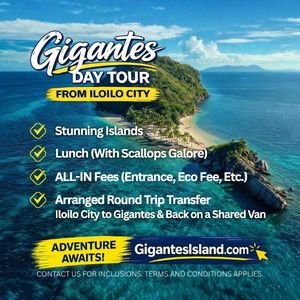
Monday, February 2, 2026

Top Island-Hopping Destinations in Carles You Can’t Miss

If you close your eyes and imagine paradise — limestone cliffs rising over turquoise water, sandbars that look like gentle brushstrokes on a blue canvas, and the quiet hum of fishing life in the distance — you’re imagining Carles, Iloilo.

This peaceful fishing town in northern Iloilo is the gateway to Islas de Gigantes, one of the Philippines’ most awe-inspiring island groups. Whether you're a first-timer or planning a return trip, island hopping in Carles feels like unlocking a treasure chest — each island and lagoon revealing another secret worth falling in love with.

Below are the must-visit island and lagoon destinations in Carles, with tips, insider notes, and the kind of descriptions only travelers who have soaked in this coastline understand.

1. Cabugao Gamay — The Iconic Postcard View

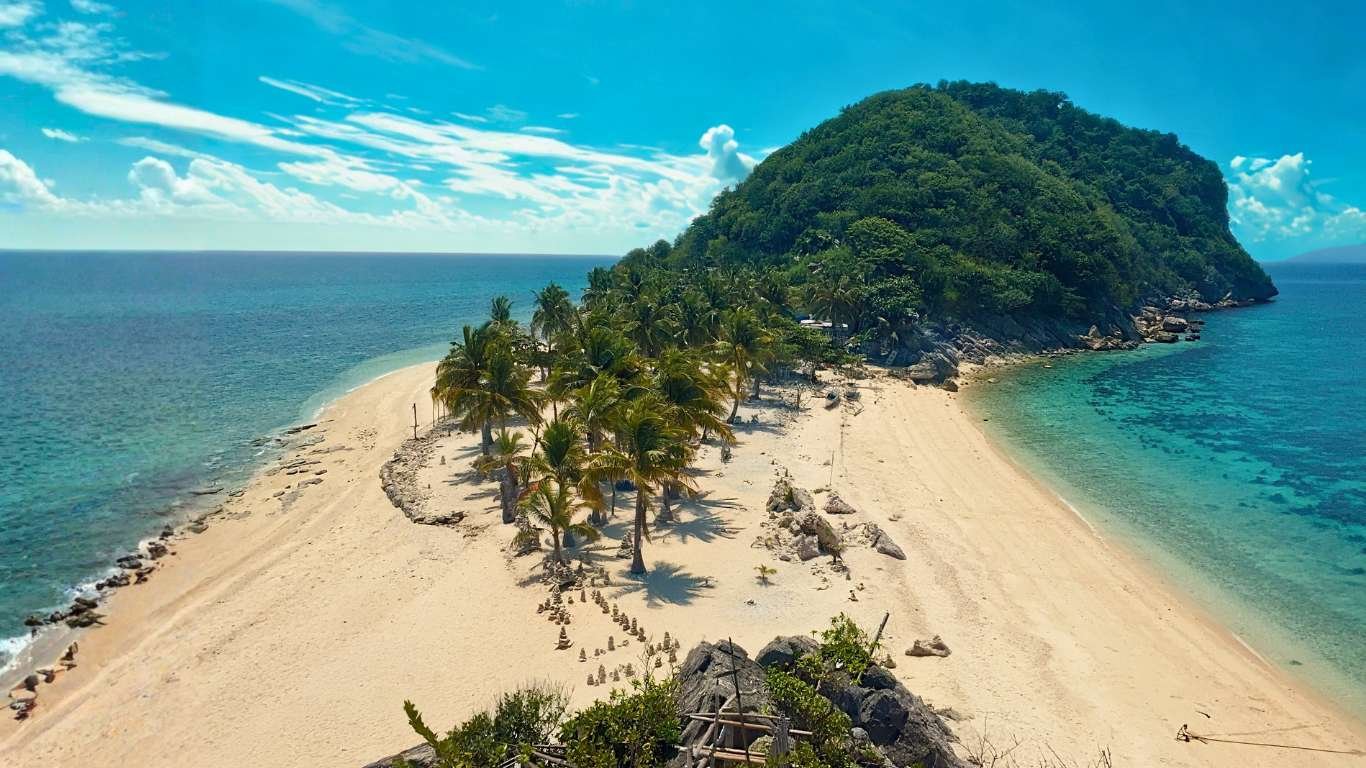
If there’s one image that represents Gigantes, it’s Cabugao Gamay. A narrow stretch of powdered white sand sits between two rock ridges, surrounded by bright emerald waters. The hilltop viewpoint here is famous — climb up and feel like the world suddenly got bigger and calmer at the same time.

It’s peaceful in the morning, golden at sunset, and magical all day in between.

More info: Cabugao Gamay

2. Bantigue Sandbar — Nature’s Brushstroke

Some sandbars feel like nature showing off — Bantigue is one of them. Curving across the sea like a pearl-white ribbon, this sandbar changes shape throughout the day as tides shift. During low tide, it stretches wide and long; during high tide, it turns into a dreamy shallow strip perfect for wading.

Walk barefoot, breathe deeply, and watch the sea sparkle.

3. Tangke Lagoon — Hidden Emerald Sanctuary

Tucked behind dramatic limestone cliffs, Tangke Lagoon feels like a secret world — a saltwater pool carved by time and tide. When sunlight hits it, the water glows emerald. You'll swim surrounded by towering rock walls and hear nothing but water and your heartbeat.

Tip: Best visited during high tide for full water levels.

4. Antonia Beach — Snorkeling, Seashells & Serenity

Antonia Beach offers a mix of soft sand, gentle waves, and rocky snorkeling spots where colorful fish dance under the surface. It’s one of those beaches where you could just lie back and watch clouds drift all day — or jump into the water and chase schools of fish.

Locals sell fresh seafood here — scallops and squid are must-tries.

5. Gigantes Norte Lighthouse — Silent Beauty on the Hill

While not a swimming spot, the lighthouse on Gigantes Norte belongs on this list. Climb the gentle trail, breathe in fresh sea air, and let your eyes rest on a horizon where ocean meets sky. It’s peaceful, raw, and endlessly photogenic.

Sunrise here? Unforgettable.

6. Little Boracay (Gigantes) — Powder-Fine Sands

There’s a reason this hidden gem earned its name — white sand so fine it almost feels unreal, and water so clear you can see the bottom even from the boat. It's quieter than most stops, offering a taste of paradise without the crowds.

7. Pawikan Cave — Limestone Secrets & Cool Shade

Pawikan Cave adds a bit of mystery to your island hopping. Cool interiors, dramatic limestone formations, and natural skylights create that “lost-world adventure” feel. It’s not as commercialized as caves in bigger tourist towns — meaning it feels raw and authentic.

Wear good sandals — rocks can be jagged.

8. Bonbon Beach — Calm, Local, Beautiful

Quiet coves, warm water, and fishing boats resting by the shore. Bonbon Beach is simplicity at its best — no rush, no noise, just the sea breathing slowly and the salty wind brushing your face.

If paradise had a “soft voice,” it would sound like Bonbon.

9. Pulupandan Island — A Lonely Tree in the Sea

A tiny island with a single tree growing proudly in the middle — dramatic, photogenic, and perfect for drone shots. Pulupandan feels like nature's minimalist masterpiece.

You don’t stay long here — but those few minutes linger in memory.

10. Islet Villages & Scallop Stations — Real Island Life

It isn’t just beaches and lagoons — island hopping in Carles means passing through fishing villages where scallops are sorted, nets are woven, and life flows gently with the tides. Sometimes this is where the real magic is: not the scenery alone, but the life around it.

Order scallops by the plate. Smile. Talk with locals. It’s the heart of the experience.

How to Book Island-Hopping Tours

Trusted operators include:

Tip: Book early, especially peak months (Feb–June). If paying online, consider using a travel credit card for perks & protection.

Best Time to Go Island Hopping

  • Best months: November – June
  • Perfect time: February – May
  • Best hours: Morning until early afternoon

Calm seas, brilliant colors, and soft-gold sunrise light make every view cinematic.

What to Bring

  • Eco-friendly sunscreen
  • Dry bag & water bottle
  • Rash guard or swimwear
  • Snorkel set (optional but fun!)
  • Cash for island snacks & scallops
  • Powerbank & waterproof phone case
  • Travel insurance (recommended)

Local Tips for a Better Experience

  • Start early — colors are best pre-noon
  • Wear aqua slippers for rocky shores
  • Respect local communities & natural sites
  • Bring small bills for food & tips
  • Join shared tours if you’re on a budget
  • Stay overnight in Carles or Gigantes for sunrise magic

Why Carles Island Hopping Hits Different

This isn’t a polished theme-park island destination. It's raw. It's real. And that's exactly why it's unforgettable.

You feel it when:

  • A fisherman waves as your boat passes
  • You eat scallops so fresh they taste like ocean sweetness
  • You climb rocks barefoot and feel the breeze hit your face
  • The world looks huge from a limestone ridge
  • You realize life doesn’t have to be complicated to be beautiful

Carles doesn’t perform — it simply exists in its natural beauty. And you get to witness it.

Plan Your Carles Island Adventure

Need sample itineraries? Read:

  • ✅ “Ultimate 3-Day Carles + Islas de Gigantes Itinerary”
  • ✅ “How to Get to Carles, Iloilo: Complete Transportation Guide”
  • ✅ “Gigantes Norte vs. Gigantes Sur — Which to Visit First?”

Find them at CarlesIloilo.com.

Every island, every cliff, every sandbar here invites you to slow down, breathe deeper, and remember how beautiful life can be when the only schedule is sunrise, sea, and scallops.

See you where the ocean turns emerald and the sand feels like clouds — in Carles, Iloilo. 🌴🌞🛶

Saturday, January 31, 2026

Sustainable Escapes: Eco-Tourism and Responsible Travel in the Philippines’ Gigantes Islands

The boat glides north from Iloilo, past sleepy fishing towns and mangrove-lined creeks, toward the pale curve of sand that signals you’ve arrived at Gigantes island. Here, the Islas de Gigantes (often called Isla Gigantes) feel like the Philippines as you pictured it: small waves combing white beaches, limestone ramparts, quiet coves, and warm, easy smiles. What’s different is the pace—gentler, humbler—and the growing commitment to eco-tourism that keeps these islands beautiful.

Why Eco-Tourism Belongs at the Heart of Gigantes

Life here is tuned to the tide. Fisherfolk rise before sunrise; kids collect shells along the shore; visitors learn to linger. On islands with delicate reefs and shifting sandbars, the best travel is conscious travel—supporting local families, respecting wildlife, and choosing low-impact experiences. This is not the land of mega-resorts; it’s a place where homestays, community kitchens, and small boat crews keep the story authentic.

If you crave a wider frame for your journey, the Philippines offers endless routes to weave sustainability into your trip, whether you’re into culture, nature, or simply slow, mindful Travel and first-person trip diaries like the ones on Travel blogs.

Getting There the Considerate Way

Most travelers land in Iloilo City and head to the northern jump-off at Carles. For an alternate planning resource, see the route via Iloilo. Once at the pier, small boats shuttle visitors to the islands. When possible, choose group departures (lower fuel footprint per person) or hire boats that follow reef-safe practices and waste-back policies.

Low-Impact Highlights Around the Islands

  • Cabugao Gamay — The poster-perfect sand ridge with limestone lookouts. Go early to avoid crowding and keep noise to a minimum for nesting birds.
  • Tangke Lagoon — A tide-filled basin cradled by cliffs. Wear reef-safe sunscreen and avoid stepping on rock pools that shelter small marine life.
  • Bantigue Sandbar — A shape-shifting sand ribbon at low tide. Leave no trace—especially micro-trash like candy wrappers or cigarette filters.

Build your day with a vetted Island Hopping Tour or a bundled Island Hopping Package arranged through a local Tour operator. Ask about waste protocols, life vests, and briefing practices before you book.

Culture & Community: The Heartbeat of Eco-Travel

Eco-tourism thrives when communities lead. In the islands and in Carles, families host simple homestays, cook scallops and wasay-wasay clams for lunch, and guide visitors to safe snorkeling spots. Pay fairly, tip generously, and—most importantly—listen. You’ll hear weather wisdom, fishing lore, and how sustainability helps put kids through school.

Responsible Travel Tips (That Locals Appreciate)

  • Choose refillable bottles; islands have limited waste facilities.
  • Use mineral/reef-safe sunscreen and avoid touching coral.
  • Dress modestly in villages, ask before flying drones, and keep music volume low on beaches.
  • Hire accredited guides through a trusted Travel & Tours Agency or compare options on Travel Booking.

Suggested 3-Day Eco Itinerary

  • Day 1: Arrive in Iloilo → countryside transfer to Carles → boat to Gigantes Norte → sunset walk and village dinner by lamplight.
  • Day 2: Early Island Hopping Tour covering Cabugao Gamay, Tangke Lagoon, Bantigue Sandbar → picnic lunch (no single-use plastics) → late-day reef float.
  • Day 3: Coastal clean-up stroll with your host → seaweed farm visit → sail back to Carles → optional detour to Guimaras or Sicogon island before returning to Iloilo.

Side Trips That Complement Eco-Travel

Gigantes pairs perfectly with other mindful stops. If you’re plotting a bigger route across the archipelago, here are responsible extensions to consider:

Boracay & Nearby

  • Streamline your connection with Boracay Transfer, then explore powdery beaches on a guided Boaracay island hopping day that respects marine zones.
  • Keep the pace relaxed, avoid single-use plastics, and follow local reef-protection advice.

Palawan Circuit (Eco Icons of the West)

Use Palawan gateways and check Palawan attractions for nature-first experiences. Classic highlights include:

UNESCO-Listed Cave River (Know Before You Go)

San Vicente & Long Beach

Off-Grid South Palawan

Paying It Forward: Protection, Perks, and Practicalities

Remote islands mean variable weather and boat schedules—plan for flexibility and protect your budget. Secure comprehensive Travel insurance before you sail; it’s an easy, responsible step. For flights, ferries, and eco-stays across the Philippines and onward to Palawan, leverage rewards and protections from Travel credit cards and compare options at Travel credit cards. If Palawan is on your horizon, browse trip-funding ideas and promos via Palawan too.

Booking with the Right Partners

Responsible operators brief guests on wildlife etiquette, fuel use, and trash-back rules. Work with a community-aware Travel & Tours Agency, or compare itineraries that stitch Gigantes with Boracay and Palawan via Travel Booking. For custom multi-province logistics, coordinate with a seasoned Tour Agency or a flexible Travel Agency—and ask about plastic reduction, refill points, and local sourcing.

A Mindful Finale on the Sand

As the day fades over Cabugao Gamay, the sea turns to liquid copper and bancas become silhouettes against the sky. In that quiet, you realize eco-tourism isn’t an add-on here; it’s the promise that places like Gigantes island will still feel wild and welcoming when you return.

Plan Your Eco-Friendly Escape

Sketch your route, then lock in a Island Hopping Package or small-group Island Hopping Tour through a trusted Tour provider. Travel light, tread softly, and keep your policy from Travel insurance handy while you pay smart with Travel credit cards. From Iloilo to Carles and beyond—through Guimaras, Sicogon island, even Boracay—the archipelago is yours to explore, responsibly.

Sunday, January 25, 2026

Best Time to Visit Carles, Iloilo — Weather, Events & Crowd Guide

Carles, Iloilo is one of those destinations where everyday feels like a soft ocean story — sunrise light dancing on the water, fishermen coming home with the day’s catch, and stretches of coastline waiting beneath calm blue skies. But like every tropical destination, the experience shifts depending on the season, the tides, and the rhythm of local life.

Whether you're dreaming of quiet beach mornings, crystal-clear island hopping to Islas de Gigantes, or seafood feasts after a day in the sun, timing your trip makes a difference. This guide will help you choose the best time to visit Carles, Iloilo based on weather, crowds, festivals, local culture, and real traveler vibes.

The short answer? There’s no bad time to visit — only different flavors of paradise. But some months are perfect for perfect island conditions.

Quick Answer: Best Time to Visit Carles

If you want the ideal combination of:

  • Clear seas
  • Blue skies
  • Great island-hopping conditions
  • Fresh seafood abundance
  • Festive energy without big crowds

Then the best months to visit are:

January to early June

This period has the most stable weather and calm waters — ideal for exploring Cabugao Gamay, Bantigue Sandbar, Tangke Lagoon, Antonia Beach, and other island gems.

Carles Travel Seasons: Explained

✅ Peak Season (February – June)

Best for: Island hopping, diving, swimming, photography

Weather: Sunny, bright, minimal rain, clear sea conditions

This is when Carles shines brightest. Boats glide over turquoise water, sunlight wraps the limestone cliffs of Gigantes, and seafood banquets feel endless.

Expect:

  • More travelers — but still nothing like Boracay crowds
  • Great sun for your island photos
  • Perfect sandbar timing on clear mornings
  • Rooms selling out during holidays & long weekends

✅ Shoulder Season (November – January)

Best for: Cooler breeze, culture trips, peaceful mornings

Weather: Generally good, slightly windy at times

This season gives you the sweet spot — beautiful weather and fewer crowds. Christmas and New Year trips are magical here — imagine celebrating on a quiet beach while fishermen sing karaoke nearby.

🌧️ Green/Rainy Season (July – October)

Best for: Slow travel lovers, bargain hunters, solitude

Weather: Occasional rain & wind, sea conditions vary

This isn’t a bad time — it's simply more unpredictable. Some days are absolutely stunning; others call for sipping coffee under a nipa hut and enjoying the quiet.

  • You may experience short tropical showers
  • Tours may adjust to weather conditions
  • Prices lower, fewer travelers

If you love peaceful escapes and don’t mind occasional rain, this season is romantic & tranquil.

Month-By-Month Guide to Carles Weather

Month Weather Vibe
January Cool, pleasant, good seas Fresh start, calm atmosphere
February Sunny & clear Peak island hopping season
March Hot, calm seas Perfect beaches
April Dry, very sunny Summer energy, seafood feasts
May Warm, bright days Ultimate beach month
June Early monsoon shifts Less crowd, still beautiful
July Rain possible Quiet season
August Wet season Slow travel days
September Scattered showers Peaceful escapes
October Improving weather Return of good sea days
November Clearer skies Great balance, less crowd
December Cool breeze Holiday paradise break

Best Time for Island Hopping

The dream conditions for Gigantes island-hopping tours:

  • February – June
  • November – early January

During these months, expect:

  • Glassy ocean mornings
  • Deep blue water colors
  • Safer boat conditions
  • Better visibility for snorkeling

Respect weather advisories — local boatmen always prioritize safety.

Best Time for Scuba Diving & Snorkeling

  • March to May = clearest water
  • November to February = calm but cooler

Bring your snorkel gear or rent locally — the reefs around Gigantes Island and Antonia Beach offer surprises: colorful fish, coral gardens, and sometimes sea turtles passing by.

Festivals & Events in Carles & Nearby Areas

Carles Town Fiesta — November

Colorful celebrations, coastal community vibes, local food, & lively music.

Gigantes Seafood Festival (variable schedule)

Seafood lovers rejoice — scallops, shellfish, and island dishes everywhere.

Dinagyang Festival — January (Iloilo City)

One of the Philippines’ most iconic cultural festivals — you can pair Dinagyang with a Carles trip easily via Iloilo.

Tip: Book ferries, vans, and hotels early during festival periods.

When are Seafood Prices Best?

Carles is seafood heaven any month, but you may find the most abundant supply:

  • Mid-January to June
  • Post-holiday season access from fishermen

Scallops are famously cheap here — sometimes as low as ₱1 each near fishing villages. Enjoy responsibly and support local sellers.

Crowd Level Guide

  • Busiest: March to May, long weekends, Holy Week
  • Moderate: January–February, November–December
  • Quietest: July–October

If you like having sandbars to yourself? Visit on weekdays.

Best Time for Budget Travelers

Go during:

  • July to October (low season)
  • Mid-week trips anytime

Expect lower rates for:

  • Homestays
  • Transport
  • Tour add-ons
  • Fresh seafood

For safe travel in rainy season, consider travel insurance.

Plan Your Trip Based on Your Travel Style

For Adventure Travelers

Best months: February–June

Cliff jumps, lagoon swims, sandbar walks.

For Couples & Quiet Souls

Best months: November–February

Cool breeze, romantic sunsets, cozy nights.

For Photographers & Content Creators

Best months: March–May

Bright blue skies — Cabugao Gamay looks unreal.

For Budget Travelers & Backpackers

Best months: July–October

Quieter, cheaper, peaceful days.

Final Travel Tips

Every Season Has Its Magic

Carles doesn’t feel like other destinations — it doesn’t rush you. It invites you to savor the moments. Whether you visit during the calm glow of January mornings, the sun-kissed summer of May, or the rainy romance of September, the islands hold their charm.

Some days are for island hopping, some are for coffee by the shore while raindrops tap on nipa roofs. Both are beautiful. Both are real.

And no matter when you go, one thing stays true:

Carles welcomes you with warmth, sea breeze, and food that tastes like the ocean has a heartbeat.

To continue planning your island escape, check more travel guides at CarlesIloilo.com.

See you in Carles — where seasons change, but paradise stays.

Monday, January 19, 2026

Beyond the Shore: How Tourism is Empowering Local Communities in Gigantes Island

Travel can change a life — sometimes the traveler’s, sometimes the host community’s. On the northern edge of the Philippines, where fishing boats once sailed quietly with little outside notice, the rise of sustainable tourism in Gigantes Island has started a quiet transformation.

Here, tourism isn't just about postcard beaches or limestone cliffs. It’s about new opportunities, renewed pride, and a community learning to balance tradition with a growing interest in travelers who arrive from around the world.

For visitors who want more than stunning photos — who seek meaning behind every wave and every meal — Gigantes Island offers a story of empowerment, resilience, and shared future.

Before the Tour Boats Came

For generations, life in Carles revolved around the sea. The island communities of Gigantes relied heavily on fishing — particularly scallops and other shellfish. Days began before sunrise, and income depended on weather, luck, and tides.

Then word spread. Travelers discovered Cabugao Gamay, the raised viewpoint above its perfect sandbar, and the green-glass waters of Tangke Lagoon. Soon, adventurers, backpackers, and later eco-travelers began to arrive.

But unlike crowded beach destinations that exploded without preparation, Gigantes moved slowly — and locals took the lead.

A Community at the Heart of Tourism

One of the most inspiring things about Gigantes is how many tourism jobs are held by locals. Step onto a boat, and your crew is often made up of lifelong fishermen. Stay in a homestay, and your host may tell you stories passed down about the sea and local legends.

Instead of outside companies sweeping in, the people here built their own tourism economy.

Local roles that tourism has created:

  • Boat operators and tour guides
  • Scallop farmers serving travelers
  • Homestay & guesthouse owners
  • Island cooks and food vendors
  • Motorbike and tricycle drivers
  • Craft and souvenir makers

Even students join island-hopping crews on weekends to earn and practice English. It’s community growth — together.

Women Thriving in Tourism

Perhaps nowhere is change more meaningful than among women. In fishing communities, traditional roles often leaned toward the home, markets, and farm work. But tourism opened new paths.

Today, many homestays are run by women. They greet travelers, cook meals, manage bookings, and proudly share local culture — turning their skills into income and independence.

Some are even leading environmental efforts — organizing coastal clean-ups, guiding beach briefings, and teaching young travelers about marine care.

Young Islanders Finding Their Future at Home

Before tourism, many young people dreamed only of working in the city or abroad. But tourism made staying home viable, meaningful, and full of possibility.

Teens now train in hospitality, local guiding, and sustainable tourism. They see pathways — not just escape routes.

Ask one what they want to be, and they might say:

  • Boat captain
  • Tour coordinator
  • Eco guide
  • Dive instructor

The islands are not just where they were raised — they're where they see their future.

Keeping Culture Alive

Tourists don’t just bring money — they bring curiosity. And when travelers ask about local stories and traditions, communities are motivated to preserve them.

Folk songs once sung only at home now echo during island hospitality nights. Fisherfolk tell stories of currents, legends, and island spirits. Elders share knowledge about moon cycles, tide reading, and reef life.

Culture stops fading when visitors listen. And on Gigantes, they do.

Challenges & Growing Pains

No paradise is without its challenges. More visitors means more demand for waste management, fresh water, and infrastructure. Climate changes threaten marine harvests. Some beaches need constant cleanup, especially after storms.

But Gigantes is learning — and innovating.

  • Barangays organizing regular coastal cleanups
  • Boats requiring eco-briefings before tours
  • Tour associations uniting to regulate pricing & safety
  • Plastic reduction efforts at food stalls

It’s not perfect — but it’s progress with heart.

How Travelers Can Support the Community

Responsible tourism here isn’t complicated — it’s compassionate.

  • Choose locally owned stays & boats
  • Order seafood from island vendors
  • Tip fairly — small gestures go far
  • Bring reusable bottles & avoid single-use plastics
  • Respect private homes & fishing areas
  • Ask before taking portraits

Every peso you spend stays in local hands. Every respectful traveler strengthens this future.

Where Tourism Meets Environment

Sustainability isn't just a buzzword here — it's survival. Fisherfolk understand that healthy reefs and clean waters are life itself.

When you join a Tour or book a Island Hopping Package, you’re often stepping into a community-run system designed to protect the ocean while sharing it.

Visiting Tangke Lagoon or climbing the trail above Cabugao Gamay? You’ll likely hear guides reminding guests not to litter, not to step on corals, and not to collect shells.

Locals are becoming stewards — not just hosts.

Extending Empowerment Beyond Gigantes

Nearby communities follow the same spirit. Neighboring Sicogon Island offers nature trails and sustainable stays. In Guimaras, farmers and tour guides work hand-in-hand to welcome visitors. City-based artisans in Iloilo share heritage and crafts with pride.

Across the region, tourism isn’t replacing tradition — it’s supporting it.

Eco & Cultural Side Trips That Support Locals

These destinations share one thing: locals guiding the experience.

When to Visit for Meaningful Encounters

  • January–March: peak season, active community vibe
  • June–September: quieter months, deeper conversations
  • Fiesta periods: experience local culture & celebrations

Slow travelers often find rainy-season trips the most fulfilling — less rush, more connection.

Community Conversations You Can Start

  • "How did tourism begin here?"
  • "What traditions are you most proud of?"
  • "What’s the best local food you recommend?"
  • "How can visitors support the islands?"

Ask with curiosity, listen with humility. You’ll learn more than any guidebook could teach.

Practical Ways to Travel with Impact

  • Bring reusable bottles & eco-bags
  • Support small vendors & homestays
  • Join beach cleanups if invited
  • Use travel credit cards to book ethical operators
  • Get Travel insurance for secure, responsible travel

Book ethically, travel intentionally, uplift locally.

Sample Itinerary for Responsible Travelers

  1. Day 1 – Iloilo heritage tour + local food crawl
  2. Day 2 – Travel to Carles, seafood market stop
  3. Day 3 – Island hopping + small vendor lunch
  4. Day 4 – Visit lighthouse, community interaction
  5. Day 5 – Ferry to El Nido Palawan or bus to Boracay

Want to keep helping? Hire local guides for next adventures or book through a vetted island-focused Travel Booking platform or Tour Agency.

Why Gigantes Stays With You

You’ll remember the cliffs. The clear sea. The sandbars. But more than anything, you’ll remember the people.

Those who welcomed you. Those who fed you. Those whose stories showed you what it means to thrive together.

When you leave Gigantes, you don’t just take photos — you take part in a movement toward sustainable island living.

Travel With Purpose

Because paradise isn’t just a place — it’s a partnership. And in Gigantes Island, the future of travel looks bright, shared, and profoundly human.

Sunday, January 11, 2026

Ultimate 3-Day Carles + Islas de Gigantes Island Hopping Tour

Some trips are quick escapes. Others become core memories. A 3-day adventure in Carles and the breathtaking Islas de Gigantes sits firmly in the second category — a blend of sunrise moments, seafood feasts, quiet beachfront mornings, island caves, and dramatic limestone horizons that feel far from the noise of everyday life.

This itinerary is crafted for travelers who want the complete Carles experience — not just a rushed photo-stop tour but a journey where you actually breathe in the sea, talk to friendly locals, walk barefoot on white sand, and watch the sun fade into the water after a day of island hopping.

Whether you're here with friends, your partner, or on a peaceful solo trip, here’s your perfect 3-day Carles + Islas de Gigantes itinerary — complete with tips, routes, budget notes, and insider insights.

Overview: Your 3-Day Adventure

  • Day 1: Arrival in Carles + coastal afternoon + seafood dinner
  • Day 2: Full-day Gigantes island hopping (the iconic spots!)
  • Day 3: Sunrise, seafood, side-trips, and slow island life moments

Travel rhythm: calm → adventure → serenity

This itinerary works whether you stay on the Carles mainland or sleep overnight on Gigantes Island itself.

Where You’ll Be

This trip covers:

  • Carles, Iloilo — peaceful fishing town + port access
  • Gigantes Sur — prime island hopping spots like Cabugao Gamay & Tangke Lagoon
  • Gigantes Norte — lighthouse, quiet coastal life, seafood from the source

Nearby add-ons available:

Before You Go: Essentials

  • Book accommodation near Bancal Port or on Gigantes
  • Reserve your island hopping tour early
  • Bring cash (ATMs limited)
  • Pack light & waterproof your essentials
  • Bring sunscreen & hydration
  • Optional but smart: travel insurance

Tour options you can contact:

Using travel credit cards for bookings is recommended — points + security + convenience.

Day 1 — Welcome to Carles

Morning: Travel to Carles

Arrive in Iloilo or Roxas City, then take a bus/van to Carles. If you're flying in, aim to arrive before 10AM so you can enjoy the day comfortably.

Transport guide here: “How to Get to Carles, Iloilo.”

Midday: Check-In & Settle

Choose your stay:

  • Near Bancal Port — convenient for next-day island hopping
  • Beach lodges — slower pace, ocean sounds
  • Homestay in Gigantes — immersion + early boat access

Afternoon: Explore Carles Shoreline

Walk along the coastal road and breathe in the sea wind. Watch locals dry fish, mend nets, or chat by the water. You’ll feel time slowing down — this is the Carles rhythm.

Optional:

  • Visit local seafood stalls
  • Try halo-halo at a sari-sari store by the road
  • Short boat ride for sunset (ask boatmen near port)

Evening: Seafood Dinner

Try baked scallops, grilled fish, or oysters prepared island-style. Meals here are simple but full of soul.

Tip: Ask if they have “kalo-kalo rice.” Locals love it.

Rest & Recharge

Island tours start early — sleep well & prepare your things for tomorrow’s adventure.

Day 2 — The Full Islas de Gigantes Adventure

6:30 AM: Breakfast & Prep

Fuel up. Pack sunscreen, powerbank, dry bag, and water. Wear comfortable swim clothing and sandals.

7:30 AM: Boat Departure

Most tours leave from Bancal Port. If you stayed on Gigantes, your tour boat picks you up there.

Island Hopping Highlights

  • Cabugao Gamay — the most iconic viewpoint in Gigantes
  • Bantigue Sandbar — shimmering white curve of sand in the sea
  • Tangke Lagoon — mystical emerald saltwater pool tucked inside limestone cliffs
  • Antonia Beach — snorkel + relax + play in turquoise water
  • Snorkeling spots & hidden beaches

Bring your camera — this is the heart of Gigantes beauty.

Lunch: Seafood Feast

Usually includes:

  • Endless scallops
  • Fresh fish
  • Island pancit
  • Seasonal seafood

Lunch with bare feet on sand just hits differently.

Afternoon: Continue Island Hopping

More swimming, cliffs to admire, sandbars to stroll. Enjoy the simple joy of saltwater & sun.

4:00 PM: Return to Mainland / Gigantes Stay

If you are staying in Carles, take a slow rinse, rest, and enjoy a calm sunset view.

Dinner & Relax

You deserve your second seafood feast — grilled squid, crabs, shrimp, scallops. Eat well.

Some travelers choose to stay overnight on Gigantes Island this night for that full island vibe.

Day 3 — Slow Morning & Side Trips

Sunrise Watch

Gigantes mornings are gentle — soft waves, pastel skies, and that peaceful hush only small islands carry. Enjoy coffee by the water.

Breakfast

Try dried fish, eggs, rice, and hot coffee Filipino-style. The simplicity here feels like a luxury on its own.

Optional Activities

  • Visit Gigantes Norte Lighthouse — panoramic coastal views
  • Stroll fishing villages and meet locals
  • Buy scallops or dried seafood to bring home
  • Rent a small boat for secluded swimming spot
  • Explore rock formations & quiet coves
  • Relax under coconut trees — no plan needed

Lunch

Try paluto seafood meal one last time — your future self will thank you.

Return Trip to Iloilo or Roxas

Depending on your schedule, ride a van or bus back to the city. If you’re flying, allot enough travel time.

Estimated 3-Day Budget (Per Person)

  • Transport (roundtrip): ₱600–₱1,200
  • Island hopping tour: ₱999–₱1,299
  • Meals: ₱800–₱1,800 (depending on appetite & choices!)
  • Accommodation (2 nights): ₱1,000–₱3,500
  • Misc (fees, snacks, tips): ₱300–₱800

Budget range: ₱3,800 – ₱8,500+ depending on comfort level.

Booking online? Get perks via travel credit cards.

Travel Tips

  • Book tours early — peak months fill fast
  • Respect island communities
  • Keep beaches clean — take trash with you
  • Bring cash (signal/payment options limited)
  • Stay flexible with weather
  • Slow down — Carles isn’t meant to be rushed

Why This 3-Day Itinerary Works

You don’t rush. You don’t treat paradise like a checklist. You let the islands breathe — and let them work their quiet magic on you.

In three days, you’ll experience:

  • Real island life
  • Crystal waters & white sand
  • Fresh seafood as daily highlight
  • Warm Ilonggo hospitality
  • Moments of stillness + big adventures

You’ll come home sun-kissed, relaxed, and already thinking about return flights.

Plan Your Trip Now

Ready to make this itinerary real? Start planning with more guides, routes, maps, and local tips at CarlesIloilo.com.

Then pack your sunscreen, book your tour, and let the sea change your mood.

Carles and Islas de Gigantes are waiting — with sunlight on the water and scallops on the grill.

See you in paradise. 🌴✨

Sunday, December 7, 2025

Gigantes Norte vs. Gigantes Sur: Which Island to Visit First in Carles?

When you finally make it to the peaceful shores of Carles, Iloilo, one question hits almost every traveler heading to Islas de Gigantes for the first time:

Should I explore Gigantes Norte first or Gigantes Sur?

Both island groups are beautiful, raw, and full of that “unspoiled Philippines” charm — rugged cliffs, blue lagoons, creamy white beaches, and seafood feasts everywhere. But they also have different personalities. One feels like a laid-back fishing village dreamscape. The other feels like a wild natural playground made for explorers.

This guide will help you decide where to start so you make the most of your Carles island adventure — whether you're joining a day tour, staying overnight, or building a DIY multi-day island itinerary.

Let’s break down the vibes, highlights, experiences, and travel tips for each side.

Quick Overview

If you're short on time and need the fastest answer:

  • Gigantes Norte — best for local immersion, quiet coastal life, lighthouse views, soul-restoring calm, and sunrise lovers
  • Gigantes Sur — best for adventure, lagoons, iconic viewpoints, sandbars, and island-hopping highlights

But the truth? The ideal trip includes both. If you can, plan 2–3 days for the full Gigantes magic.

Meet the Islands: The Heart of Northern Iloilo

Islas de Gigantes is made up of two main inhabited islands:

  • Gigantes Norte (North Gigantes Island)
  • Gigantes Sur (South Gigantes Island)

Surrounding them are smaller islets, sandbars, coves, caves, and fishing villages. Locals are kind, life is slow and simple, and nature is the star.

Before choosing which one to explore first, let’s get to know each side.

Gigantes Norte: Peace, Sunrises & Fishing Village Charm

Gigantes Norte is the quieter sister — perfect for travelers who like to slow down and absorb island life. It’s where time feels softer. Locals mend fishing nets at sunrise. Kids run barefoot by the shore. Boats sway gently beside wooden docks.

Staying here feels like stepping into a postcard before tourism hype existed.

Top Highlights in Gigantes Norte

  • North Gigantes Lighthouse — panoramic coastal views, peaceful hikes, dramatic sunsets
  • Traditional fishing villages — authentic island culture
  • Hidden coves and rocky inlets — quiet moments guaranteed
  • Friendly locals offering scallops and fresh seafood

Gigantes Norte is ideal if you love quiet mornings and real island living.

Who Should Start With Gigantes Norte?

  • Couples looking for peaceful time together
  • Travelers who enjoy local culture and slow travel
  • Photography fans chasing sunrise and village life shots
  • Writers, artists, and anyone who likes places with soul

Atmosphere: Calm, authentic, quietly beautiful.

Best Start Point For: Relaxing trips, long stays, budget travelers, romantic getaways.

Gigantes Sur: Adventure Trails, Lagoons & Iconic Spots

Gigantes Sur is the star of most island-hopping photos — dramatic limestone formations, emerald lagoons, golden sandbars, and the famous ridge view at Cabugao Gamay.

If Gigantes Norte whispers serenity, Gigantes Sur sings an adventure anthem.

Top Highlights in Gigantes Sur

  • Cabugao Gamay Viewpoint — the iconic Gigantes photo spot
  • Antonia Beach — snorkeling, cliff spots, calm waters
  • Tangke Lagoon — magical limestone-walled saltwater pool
  • Seafood lunch stops — roasted scallops at their freshest
  • Bantigue Sandbar — dreamy sunrise or midday strolls

Who Should Start With Gigantes Sur?

  • First-time Gigantes visitors
  • Adventure travelers
  • Families & barkadas looking for activities
  • Drone and GoPro lovers

Atmosphere: Energetic, scenic, perfect for island-hopping days.

Best Start Point For: Day tours, short trips, content-creators, explorers.

Side-By-Side Comparison

Category Gigantes Norte Gigantes Sur
Vibe Serene, village charm Adventure, iconic spots
Best For Relaxation, culture Island-hopping thrills
Top View Lighthouse Cabugao Gamay
Nature Feel Raw coastline Lagoons, sandbars, cliffs
Food Local family meals Tour seafood feasts

Verdict: Choose Gigantes Sur first if it’s your first visit. Go Gigantes Norte first if you're coming back or crave calm.

Suggested Itineraries

For First-Time Travelers (2 Days)

  • Day 1 — Gigantes Sur: Cabugao Gamay, Bantigue Sandbar, Tangke Lagoon
  • Day 2 — Gigantes Norte: Lighthouse + village life + seafood day

For Chill Seekers (3 Days)

  • Day 1: Arrive in Carles, sunset by shore
  • Day 2: Gigantes Sur island hopping
  • Day 3: Gigantes Norte lighthouse + coffee + slow travel day

For Backpackers

  • Stay with a local family
  • Eat at small eateries & try “paluto” scallops
  • DIY island hop + join group tours for savings

Where to Book Your Tours

Reliable operators for island hopping:

Tip: Use travel credit cards when booking to enjoy perks like points, cashback, and travel protection.

Where to Stay

Most travelers choose:

  • Bancal Port area for convenience
  • Gigantes Norte homestays for village life
  • Gigantes Sur beachfront cottages for nature access

Accommodation guide available at CarlesIloilo.com.

Essential Travel Tips

  • 🕢 Start island hopping early
  • 📶 Expect limited signal in some areas
  • 💸 Bring cash — few ATMs
  • 🏝️ Keep the islands clean — leave no trace
  • 📔 Download offline maps
  • ☀️ Bring sunblock + flip-flops + refillable bottle
  • 🛟 Consider travel insurance

Which One Should YOU Visit First?

  • First-time visitor? → Gigantes Sur first
  • Returning traveler? → Gigantes Norte first
  • Love calm mornings? → Norte
  • Love dramatic views & lagoons? → Sur
  • Have 2+ days? → Do both

Bottom line: Gigantes Sur gives the “wow.” Gigantes Norte gives the “peace.” Together? They give a travel memory that sticks.

You Don’t Choose a Winner — You Choose a Feeling

You don’t really “pick” between Gigantes Norte and Gigantes Sur. You match where you start with who you are today:

Do you need quiet, slow mornings and time to breathe? Start with Norte.

Do you feel excited and ready to explore right away? Go Sur first.

But whether it’s sunrise over fishing boats or a climb up a limestone viewpoint, the islands welcome you with the same promise:

Here, life feels softer. The world feels bigger. And you feel more alive.

See itinerary suggestions, travel tips, and real traveler notes only at CarlesIloilo.com.

See you on the islands — and may your first view be as breathtaking as your last one here.

Thursday, December 4, 2025

Waves of Wellness: Yoga, Mindfulness, and Slow Travel in the Islands of Iloilo

Some journeys are made for photographs. Others are made for the soul. The islands off Iloilo — especially the peaceful fishing communities surrounding Gigantes island — are where travelers come not only to see the world, but to breathe with it.

Soft waves lap at sandy shores. Coconut leaves sway like gentle metronomes. Fishermen hum old Visayan songs as they mend nets in the sun. Time stretches, slows, then dissolves into the sound of the sea.

Welcome to the wellness side of Western Visayas — where yoga mats meet ocean breeze, where meditation happens beneath palm trees, and where slow travel isn’t just a style… it’s a state of being.

Island Calm: Why Iloilo Is Ideal for Wellness Travel

Iloilo isn’t loud about its beauty. It doesn’t shout, it invites. While places like Siargao ride the wave of surf culture and Palawan dazzles with cinematic cliffs, the Gigantes region offers quiet — the kind that seeps into your bones and stays.

Here, mornings are meant for barefoot beach walks. Afternoons for hammock naps. Evenings for stargazing and gentle conversations with locals who truly understand what it means to live close to nature.

Wellness here feels natural — never forced.

Mindful Moments in Gigantes

Spread your mat at sunrise on Cabugao Gamay and watch the sky shift from lavender to honey. Meditate near the shore as boats glide past. Journal under limestone cliffs on Isla Gigantes, listening to the hush of the tide.

This is not a resort-style wellness retreat. It’s raw, real, and deeply grounding.

Great places for quiet reflection:

  • Hidden coves near Gigantes Norte
  • Beachfront hammocks in Carles fishing villages
  • Sandy corners on Antonia Beach
  • Calm lagoons at off-peak hours

If you’ve ever dreamed of meditating in a place where silence has texture, you’ll find it here.

Slow Living in Carles

In Carles, time moves differently. Fisherfolk wake with the tide, children run barefoot on warm sand, and travelers find themselves slowing down without effort.

Order scallops grilled fresh by humble seaside cooks. Sit on a bamboo bench while life unfolds around you — gently, beautifully, honestly.

Slow travel isn’t about doing less. It’s about feeling more. And Carles is the kind of place that lets you feel the world again.

Yoga With the Sea as Your Studio

There are few things more grounding than sun salutations on an island. You don’t need a retreat center — just a quiet patch of sand, a reusable mat, and a heart open to presence.

Practice at dawn when the world is soft. Flow at sunset when the sky burns gold. Or simply breathe deeply — sometimes that’s the best pose of all.

Tip:

Travel with a foldable microfiber mat. It’s light, sand-friendly, and fits in a daypack for island-hopping.

Healing Foods & Island Nourishment

Wellness nourishes both body and spirit, and island meals here do just that. Fresh seafood, local greens, coconut water from the shell, and fruits so sweet they taste like sunshine.

Try:

  • Garlic butter scallops
  • Kinilaw made with citrus & fresh catch
  • Mangoes from nearby Guimaras
  • Coconut juice on the shore

Planted-based? Just tell your host — locals happily prepare vegetable dishes using produce from community gardens.

Nature Baths: The Original Therapy

Forget glossy spas. Nature is the therapist here.

  • Float in calm turquoise waters
  • Walk barefoot on sandbars at Bantigue
  • Climb rocky limestone ledges for grounding
  • Nap under palm trees with ocean breeze

Every texture — sand, stone, wind, salt — humbles you into presence.

Island-Hopping, Slow-Travel Style

Join an Island Tour or book a curated Island Hopping Package — but move gently. Instead of rushing between spots, choose two or three key stops and linger.

Want to integrate active wellness?

  • Swim long coastal stretches
  • Snorkel coral gardens mindfully
  • Paddleboard when available
  • Climb viewpoints for grounding perspective

Prefer stillness? Sit quietly at Antonia Beach or meditate above Tangke Lagoon. True rest often looks like doing nothing — and feeling everything.

Side Trips for Extended Wellness Journeys

Enhance your healing route with mindful stopovers:

Wellness isn’t a destination — it’s a chain of gentle choices. And every island offers a new breath.

Best Time for Mindfulness Travel

  • January–March: crisp mornings & cool evenings
  • April–May: warm, calm seas for floating meditations
  • June–August: soulful monsoon quiet, introspective energy

Practical Wellness Tips

  • Bring a Kindle or travel journal
  • Carry a reusable bottle
  • Pack reef-safe sunscreen
  • Bring a sarong for meditation & shade
  • Turn your phone to “Do Not Disturb” often

And yes — unplug. Your nervous system will thank you.

Budgeting Calmly & Wisely

Slow travel reduces costs — and increases joy.

A Simple Wellness Itinerary

  1. Day 1 — Arrive in Iloilo, sunset walk along the river
  2. Day 2 — Travel to Carles, ocean journaling session
  3. Day 3 — Sunrise yoga on Gigantes + lagoon float meditation
  4. Day 4 — Barefoot beach morning, hammock day in Sicogon
  5. Day 5 — Mango meditation & bike trails in Guimaras

Add Palawan via Travel Booking or join quiet Eco-tours with Tour Agency options.

Why Wellness Finds You Here

You came to see beaches. You stay because you found breath again.

Gigantes doesn't force transformation; it allows it. The salt heals. The wind releases. The sea listens. The silence fills you until all that remains is truth.

And when you leave, you carry that calm with you — like sand that clings to your feet long after the walk is done.

Begin Your Journey

Find your breath. Feel your pulse. Let the waves teach you how to move again. In Iloilo’s islands, wellness isn’t an activity — it’s the ocean learning your name.

Top Island-Hopping Destinations in Carles You Can’t Miss

If you close your eyes and imagine paradise — limestone cliffs rising over turquoise water, sandbars that look like gentle brushstrokes on ...